


-36x36.jpg)





How Vapes Work: The Science Behind Vaping
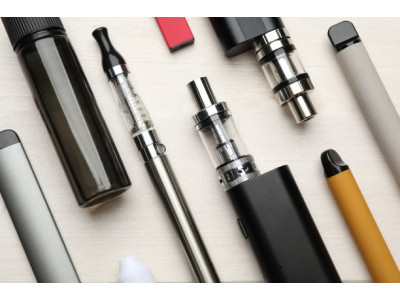
The process of vaping involves converting the e-liquid into vapor, which the user then inhales. This is achieved through a combination of heat and airflow, both of which are carefully controlled within the device. When the user activates the vape—usually by pressing a button or simply inhaling—the battery sends a current to the coil, causing it to heat up. The heat from the coil then vaporizes the e-liquid absorbed by the wicking material, turning it into a fine mist that can be inhaled.
The science behind this process is rooted in thermodynamics and fluid dynamics. The coil heats up to a temperature typically between 200 and 400 degrees Fahrenheit, depending on the device and user settings. This heat is sufficient to vaporize the e-liquid but not so high as to cause combustion. This is a crucial difference between vaping and smoking; while smoking involves burning tobacco and producing smoke, vaping only involves the vaporization of liquid, resulting in a cleaner, less harmful experience.
Airflow plays a significant role in the vaping experience. Most vape devices have adjustable airflow controls that allow users to fine-tune the draw resistance, or how hard they have to inhale to produce vapor. More airflow typically results in a cooler, more voluminous vapor, while less airflow produces a warmer, more concentrated vapor. This customization allows users to tailor their vaping experience to their personal preferences.
Another important aspect of how vapes work is the type of coil used. Coils come in various resistances, measured in ohms, and this resistance affects both the amount of vapor produced and the flavor intensity. Lower resistance coils, often referred to as sub-ohm coils, produce more vapor and are favored by users who enjoy large clouds. Higher resistance coils produce less vapor but can offer a more intense flavor experience.

Leave a comment